Citrus Psylla Repair: Identifying and Fixing Leaf Pitting Naturally
A technical manual for neutralizing the African Citrus Triozid and restoring canopy integrity through biological and mechanical interventions.
1. Introduction: The Pitting Pathogen Vector
The African Citrus Psylla (Trioza erytreae) is more than a nuisance; it is a direct threat to the life of your citrus tree. This insect is the primary vector for the bacterium Candidatus Liberibacter africanus, which causes Citrus Greening Disease (Huanglongbing or HLB). HLB is incurable, causing misshapen, bitter fruit and eventual tree death. Managing psylla is therefore not optional—it is a frontline defense in preserving your entire orchard's viability. Early intervention on the visible symptom (leaf pitting) is our only chance to break the disease transmission cycle.
In the Evergreen Hideout, few sights are as frustrating as the distorted, pock-marked leaves caused by Citrus Psylla (Trioza erytreae). These small, sap-sucking insects do more than just cause aesthetic damage; they are the primary biological vectors for "Greening Disease" (Huanglongbing), which can permanently stunt a tree's vascular system and ruin fruit quality. The "pitting" you see on the leaves is actually the nursery site for psylla nymphs, which secrete chemicals that deform the leaf tissue into protective cups. Managing this pest requires a technical understanding of their life cycle and a commitment to rapid, organic intervention to prevent the spread of viral loads throughout your backyard orchard. By addressing the root causes of infestation, we can restore the photosynthetic efficiency of our trees and secure our future harvests.
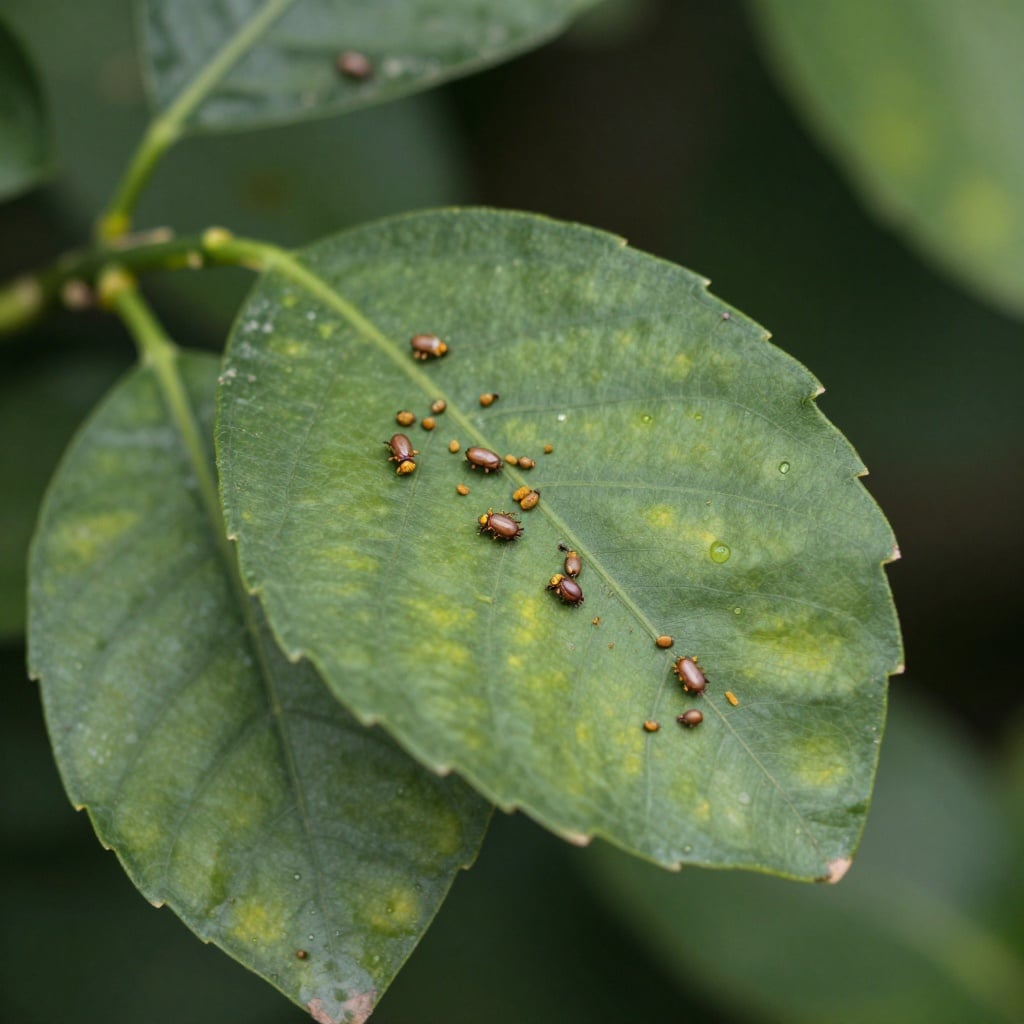
Diagnostic identification: distorted leaves and deep feeding pits indicate an active psylla nymph population.
A resilient defense against psylla begins with the high-performance nutrition provided by engineering deep fertility with the trench method. A tree with access to deep mineral reserves and consistent moisture is significantly more capable of "sealing off" damaged leaf tissue and producing a rapid "flush" of healthy new growth to replace infested foliage. By integrating psylla management with the "Soil Armor" techniques in our guide on using grass mulch, we foster the predatory insect populations that act as a natural check on psylla numbers. This holistic approach is a core part of our fruit trees and orchards pillar.
The Psylla Life Cycle & Your Intervention Windows:
- Eggs: Laid on tender new leaf flushes. Tiny, yellow, stalked. Intervention: Horticultural oil spray can smother eggs.
- Nymphs (The Damaging Stage): Wingless, flat, and secretive inside the "pit" or gall they induce on the leaf. This is the primary damage and disease transmission stage. Intervention: Systemic or penetrating organic insecticides; removal of heavily galled leaves.
- Adults: Small, winged insects that jump/fly to new growth. They carry the Greening bacterium. Intervention: Yellow sticky traps, botanical sprays, and fostering predators.
2. Why This Topic Matters: The Ant-Aphid-Psylla Alliance
Ants do not just stumble upon psylla; they actively tend them like cattle. They protect the nymphs from their natural enemies (parasitic wasps, ladybugs, lacewings) and in return harvest the carbohydrate-rich honeydew the psylla excrete. This alliance is so effective it can suppress natural predator populations to near zero, allowing psylla numbers to explode. Breaking this alliance is the single most effective non-chemical intervention you can make.
The primary technical reason psylla infestations spiral out of control in Soshanguve is the symbiotic relationship between the pests and common garden ants. Ants "farm" the psylla for their sugary honeydew secretions, actively protecting the nymphs from predatory wasps and ladybirds. This creates a biological shield that allows the psylla population to explode. This is why our organic pest master manual emphasizes mechanical barriers. By breaking the ant trail, you remove the psylla's "bodyguards," allowing the garden's natural balance to reassert itself. Understanding these inter-species alliances is the secret to effective, low-input pest control.
Furthermore, psylla are highly attracted to the soft, nitrogen-rich new growth of lemon and orange trees. Over-fertilizing with high-nitrogen synthetic fertilizers creates a "flare" of growth that is weak and easily penetrated by the psylla's piercing mouthparts. Instead, we use the minerals from agricultural wood ash to strengthen the cell walls of the leaves. High calcium and silica levels make the leaf surface tougher and less palatable to sap-suckers. This technical focus on "structural resistance" is much more effective than trying to kill every insect with a spray after the damage has already occurred.
Nutrition for Defense, Not Just Growth:
- Avoid High Nitrogen: Synthetic nitrogen produces soft, succulent growth high in amino acids—a psylla magnet.
- Prioritize Calcium & Silica: These minerals are the building blocks of strong cell walls. Sources: Agricultural lime (calcium), wood ash (potassium/calcium), horsetail tea or diatomaceous earth (silica).
- Trace Minerals: Zinc and boron are crucial for plant immune function. Apply as a foliar spray (seaweed extract is excellent).
- Feeding Strategy: Use slow-release organic fertilizers (compost, manure) and focus on soil health rather than forcing growth flushes.
3. The Technical Protocol for Identifying and Fixing Pitting
Weekly Scouting & Early Action Protocol:
- Inspect New Flushes: Every week, examine the tender new leaves of your citrus trees, especially the undersides.
- Identify: Look for tiny yellow eggs on stalks, or the distinctive "pit" galls with nymphs inside. Distorted, cupped leaves are a sure sign.
- Immediate Sanitation: If infestation is light (< 10% of new leaves), pinch off and destroy (burn or bag) the affected leaves. Do not compost.
- Threshold for Spraying: If >10% of new growth is affected, proceed to the botanical spray protocol below.
The first step in our repair protocol is "Selective Sanitation." If the infestation is caught early, physically removing the most distorted leaves and disposing of them in your 3-bin pallet system (ensuring it reaches thermophilic temperatures) can halt the immediate cycle. For more widespread pitting, we deploy botanical oil sprays. We utilize the protocols in our guide on natural pest management to coat the leaves, which suffocates the nymphs trapped inside the pits. Because the nymphs are protected by the "cup" of the leaf, you must ensure total coverage, spraying from the bottom up to reach the underside where the nymphs reside.
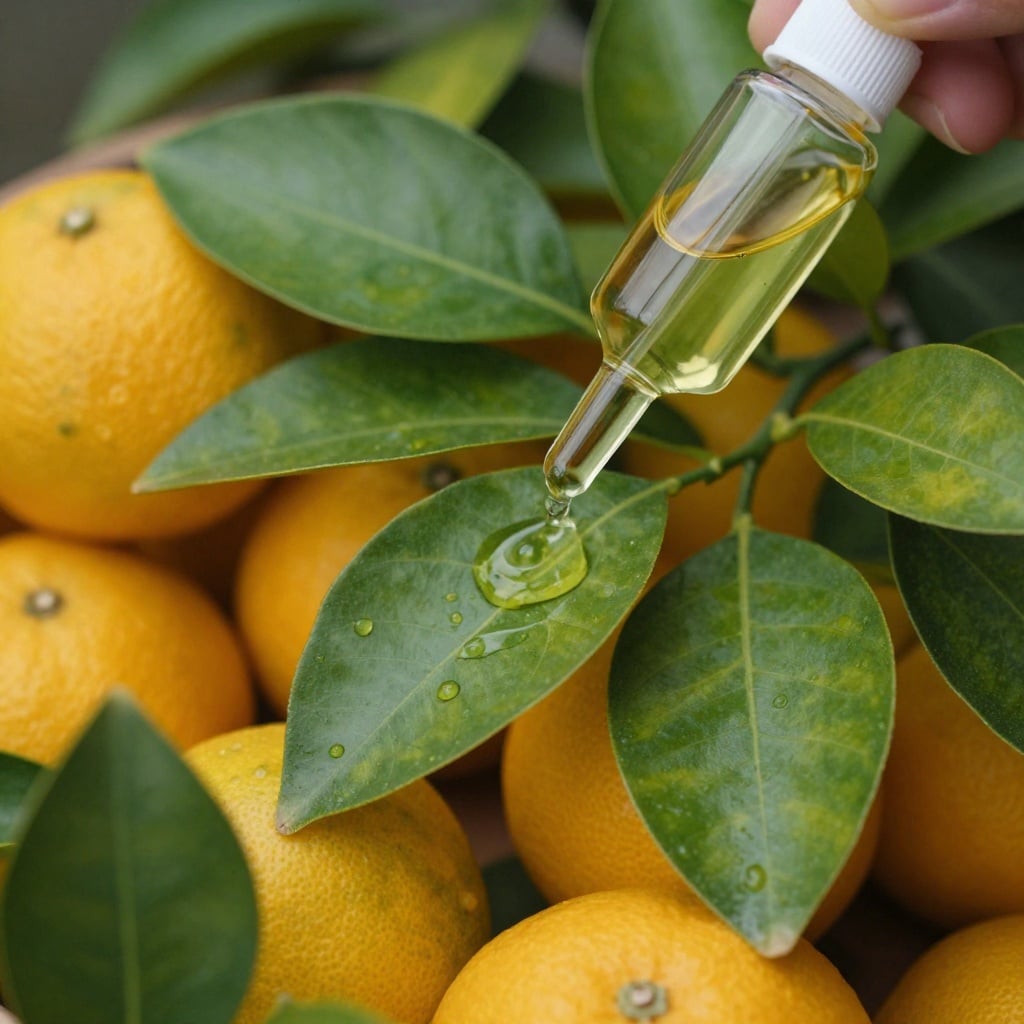
Application precision: targeting the underside of leaves, where psylla nymphs develop, is essential for effective population control.
To prevent re-infestation, we implement the "Ant-Exclusion" method found in our DIY Infrastructure designs. This involves applying a sticky band or "tree grease" around the main trunk of the citrus tree, about 30cm above the soil. This prevents ants from climbing the tree to protect the psylla. When combined with the "skirting" pruning method (keeping lower branches from touching the ground), this creates a localized "island" that the ants cannot access. Additionally, yellow sticky traps, similar to those used in our fruit fly defense strategy, can be hung in the canopy to monitor and catch the flying adult psylla before they can lay more eggs.
Botanical Spray Recipe & Application for Psylla Nymphs:
- Base Recipe (Neem & Soap):
- 1 liter of warm water.
- 5ml (1 tsp) of cold-pressed neem oil.
- 2-3ml (1/2 tsp) of natural liquid soap (acts as an emulsifier and surfactant).
- Mixing: Mix the soap with the warm water first. Then add the neem oil, stirring vigorously.
- Application:
- Use a spray bottle that produces a fine mist.
- Spray every leaf, especially the undersides, until dripping. The oil must coat the nymphs inside the pits.
- Apply in the early morning or late afternoon to avoid leaf burn and allow time to dry.
- Frequency: Spray every 5-7 days for 3 applications to break the life cycle. Reapply after heavy rain.
4. Systemic Repair and Foliar Fortification
Foliar sprays of compost tea or seaweed extract do more than feed the tree; they trigger Systemic Acquired Resistance (SAR). The beneficial microbes and compounds in these sprays signal the plant to upregulate its own defensive pathways, producing compounds that make it less attractive and more resistant to pests. It's like giving the tree an immune system booster shot.
Once the active infestation is neutralized, the focus shifts to systemic repair. We use a high-dose foliar application of "Liquid Gold" from your DIY worm farm to provide the tree with the amino acids and hormones it needs to recover. Worm tea is rich in chitin-degrading microbes that can actually digest the egg cases of the psylla, providing a biological layer of future protection. This foliar feeding bypasses the roots and delivers energy directly to the damaged canopy. This is the same logic used in our Vegetable Growing Mastery guide—providing the right nutrients at the right time to overcome environmental stress.
Finally, we ensure the tree has access to pure, chlorine-free water from rainwater harvesting. Chlorine can further stress a damaged tree, while rainwater mimics the natural "flushing" of the Highveld storms that helps wash away honeydew and sootymold. By combining mechanical ant barriers, botanical oils, and biological foliar feeds, we create a recovery system that is far more effective than any chemical pesticide. At the Evergreen Hideout, we don't just spray the symptoms; we repair the ecosystem, ensuring that every citrus tree in Soshanguve has the strength to provide a heavy, healthy, and greening-free harvest for years to come.
Implementing the Ant Barrier - A Step-by-Step Guide:
- Tree Prep: Choose a smooth section of trunk about 30-50cm above the soil. Clean off any loose bark, dirt, or old resin with a brush.
- Barrier Choice:
- Sticky Band: Apply a commercial horticultural glue (like Tanglefoot) or a thick band of Vaseline mixed with diatomaceous earth directly to the bark.
- Physical Band: Wrap trunk with cotton batting or foam, then coat that with the sticky substance. This protects the bark.
- Width: Make the band at least 5cm wide.
- Maintenance: Check weekly. Reapply sticky material as it collects debris or loses tackiness. Reapply completely every 2-3 months.
- Prune "Bridges": Ensure no low-hanging branches or tall weeds are touching the tree, providing ants an alternate route.
5. Summary and Your Next Move
Citrus Psylla repair is a technical discipline that combines early detection with a multi-layered biological defense. By identifying the characteristic leaf pitting, neutralizing nymphs with botanical oils, and breaking the ant-symbiosis with mechanical barriers, you can restore your tree's health naturally. It is a process that values soil mineralogy and predatory balance over toxic chemicals, resulting in a cleaner orchard and a more resilient food supply. At the Evergreen Hideout, we treat every pest as a signal that the system needs adjustment, and with the right protocols, we turn those signals into opportunities for growth and abundance.
Your 4-Week Psylla Recovery Plan for an Infested Tree:
- Week 1: Assessment & Sanitation.
- Inspect all new growth. Remove and destroy heavily pitted leaves.
- Apply the sticky ant barrier to the trunk.
- Hang 2-3 yellow sticky traps in the canopy.
- Week 2: First Botanical Assault.
- Mix and apply the neem oil spray, covering every leaf surface.
- Brew a batch of aerated worm tea or compost tea.
- Week 3: Fortification & Follow-Up.
- Apply the worm/compost tea as a foliar spray in the early morning.
- Apply a second neem spray (5-7 days after the first).
- Side-dress the tree with a handful of wood ash and compost.
- Week 4: Monitoring & System Lock-In.
- Inspect new growth. It should be clean and healthy.
- Check and refresh the ant barrier.
- Plan to apply compost tea as a foliar feed monthly during the growing season.
Are your lemon leaves looking pock-marked and distorted? I want to know if you have already performed your manual sanitation or if you are planning to install sticky bands this weekend. Have you tried using worm tea as a foliar spray on your citrus yet, or are you looking for more advice on how to manage the ants in your backyard? Share your psylla-fighting stories and your technical questions in the comments below. Let us work together to make the Evergreen Hideout a psylla-free and abundant haven for everyone!