Greenhouse vs. Shade House: Which is Best for the Gauteng Climate?
A technical analysis of thermal gain, humidity control, and UV filtration for high-performance backyard agriculture.
This decision is one of the most consequential infrastructure choices a Highveld gardener can make. It determines not just what you can grow, but *when* you can grow it, and how much energy you must expend to defend your crops from the elements. This guide breaks down the physics, biology, and practical economics behind each structure.
1. Introduction: Engineering the Microclimate
Success in gardening is less about battling nature and more about skillfully manipulating small pockets of it. In the Evergreen Hideout, we recognize that the Gauteng climate presents two distinct challenges: the intense, high-altitude UV radiation of summer and the sharp, desiccating frosts of winter. Choosing between a greenhouse and a shade house is not a matter of preference but a technical decision based on which environmental variables you need to control. A greenhouse is designed for "Heat Retention" and "Humidity Management," creating a tropical pocket in the middle of a dry Highveld winter. Conversely, a shade house is designed for "Heat Dissipation" and "UV Mitigation," protecting sensitive crops from the scorching summer sun. Understanding the physics of these structures allows us to extend our growing seasons and protect the biological integrity of our soil and plants.
To visualize the core difference, consider their primary functions:
- Greenhouse (Active Climate Battery): Captures solar energy, converts it to heat, and stores it to raise the ambient temperature significantly above the outside air.
- Shade House (Passive Climate Filter): Intercepts a percentage of solar energy *before* it hits the plants and soil, reducing the heat load and preventing photoinhibition, while maximizing airflow.
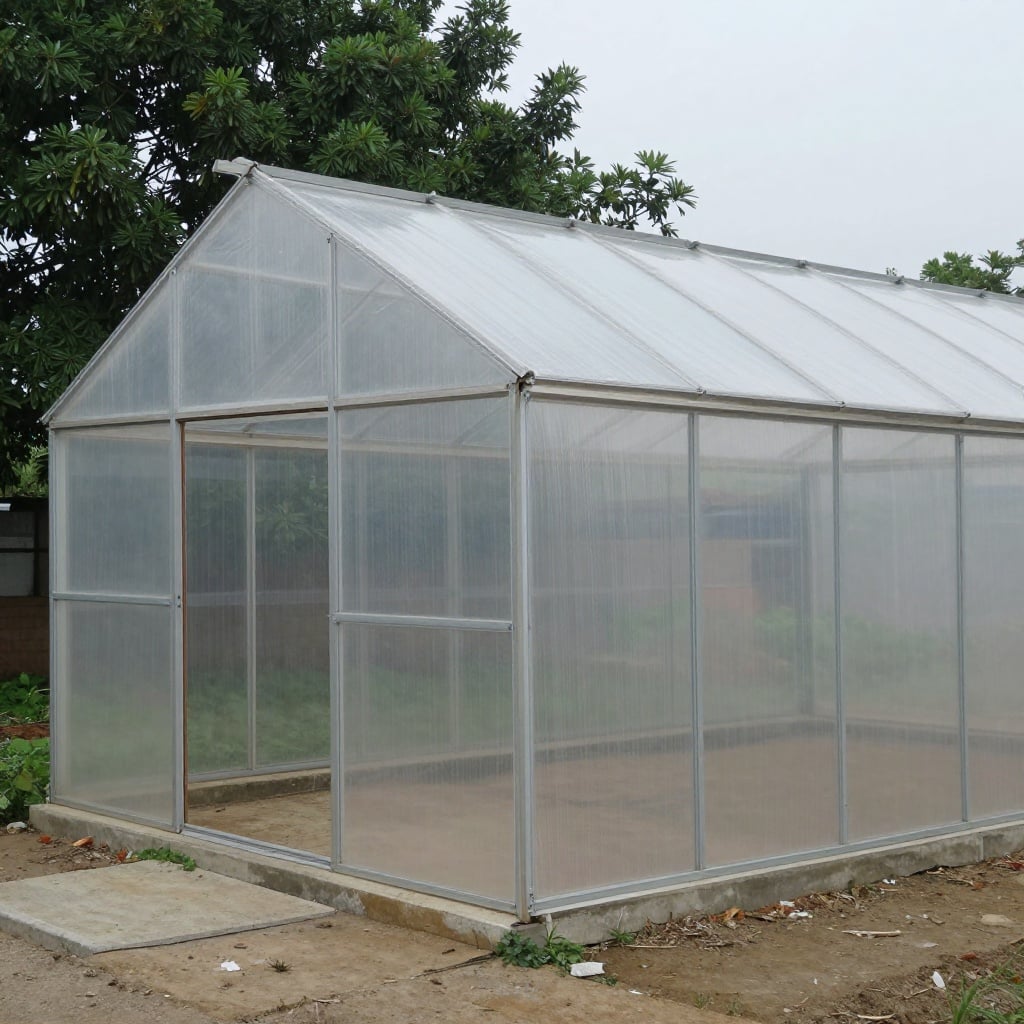
Climate Control: Selecting the right infrastructure is the first step in stabilizing garden yields.
The choice of structure directly impacts the success of the biological processes we foster in the Hideout. For example, a greenhouse provides the ideal high-temperature environment required to accelerate the rapid thermophilic bacterial activity needed for quick compost batches during winter. Meanwhile, the cooling effect of a shade house is essential for maintaining the moisture levels in the surface soil layer, preventing the "baking" effect that destroys biological life. Both structures are vital components of our self-reliant strategy, serving as the mechanical shields for our biological systems and allowing us to manipulate the environment rather than just reacting to it. They are the framework upon which we build climate resilience.
2. Greenhouse Logic: Managing the Frost Window
A greenhouse is a solar collector. Its effectiveness hinges on transforming light into trapped heat. The primary technical advantage of a greenhouse in Soshanguve is the "Greenhouse Effect," where short-wave solar radiation enters through the plastic or glass and is trapped as long-wave infrared heat. This allows us to grow heat-loving crops like tomatoes and peppers deep into the winter months when outdoor temperatures would otherwise trigger dormancy or death. However, in Gauteng, a greenhouse can easily "overheat" by 10:00 AM if not properly ventilated, reaching temperatures that can denature plant proteins. This is why we utilize the technical protocols found in our shade netting strategy to provide secondary cooling over the greenhouse during peak summer, ensuring the internal temperature remains within the optimal metabolic range.
Critical Design & Management Factors for a Gauteng Greenhouse:
- Ventilation (Non-Negotiable): Automated roof vents or large, manually operated side vents are essential. The rule of thumb is that vent area should equal at least 20-30% of the floor area.
- Glazing Material: Double-walled polycarbonate offers excellent insulation for frost protection. Single-layer polyethylene is cheaper but loses heat rapidly at night and degrades in UV light.
- Orientation: Ridge should run east-west to maximize southern wall exposure to the winter sun (in the Southern Hemisphere).
- Thermal Mass: Incorporating water barrels or dark stone paths inside absorbs heat during the day and releases it slowly at night, moderating temperature swings.
Furthermore, the enclosed environment of a greenhouse allows for precise humidity control, which is essential for the successful establishment of newly planted fruit trees before they are moved to the orchard. By keeping the air moist, we reduce the transpiration stress on young leaves and allow the root systems to acclimate without desiccation. However, this high humidity can also foster pathogens like powdery mildew if airflow is stagnant. We mitigate this risk by ensuring strict airflow management and sanitation, ensuring that our greenhouse is a nursery of health rather than a reservoir for spores. A greenhouse is a high-intervention structure that rewards the observant gardener. It is a tool for extending seasons, starting seeds early, and overwintering tender perennials.
3. Shade House Logic: UV Defense and Airflow
Where a greenhouse adds energy (heat), a shade house subtracts it. In contrast, a shade house is a "passive" structure that focuses on filtration rather than retention. Its primary technical job is to reduce the "Light Saturation Point" of the crops, preventing the photo-inhibition that occurs when Gauteng’s intense sun shuts down a plant's ability to photosynthesize. A 40 percent white or green shade cloth is often the "Goldilocks" solution for our region, providing enough protection to prevent sunscald on fruit while allowing enough light for vigorous growth. Because a shade house is open to the wind, it provides superior cooling through evaporation, which is highly beneficial for the "Underground Network" of mycorrhizal fungi that can be damaged by excessive soil surface heat.
Key Benefits and Construction Notes for a Shade House:
- UV Reduction: Prevents leaf scorch, bleaching, and reduced photosynthetic efficiency in crops like lettuce, spinach, and brassicas.
- Wind Break (Gentle): Reduces wind speed by up to 50%, lowering physical plant stress and evaporation rates without creating stagnant air.
- Pest Barrier: When made with insect netting, it can physically exclude flying pests like cabbage moths and leaf miners.
- Simple Frame: Can be built with galvanized steel pipes, treated timber, or even sturdy bamboo. The cover (shade cloth) is tensioned and clamped, not sealed.
- Rain Passage: Most shade cloth allows rain through, providing natural irrigation—a major advantage over a sealed greenhouse roof.
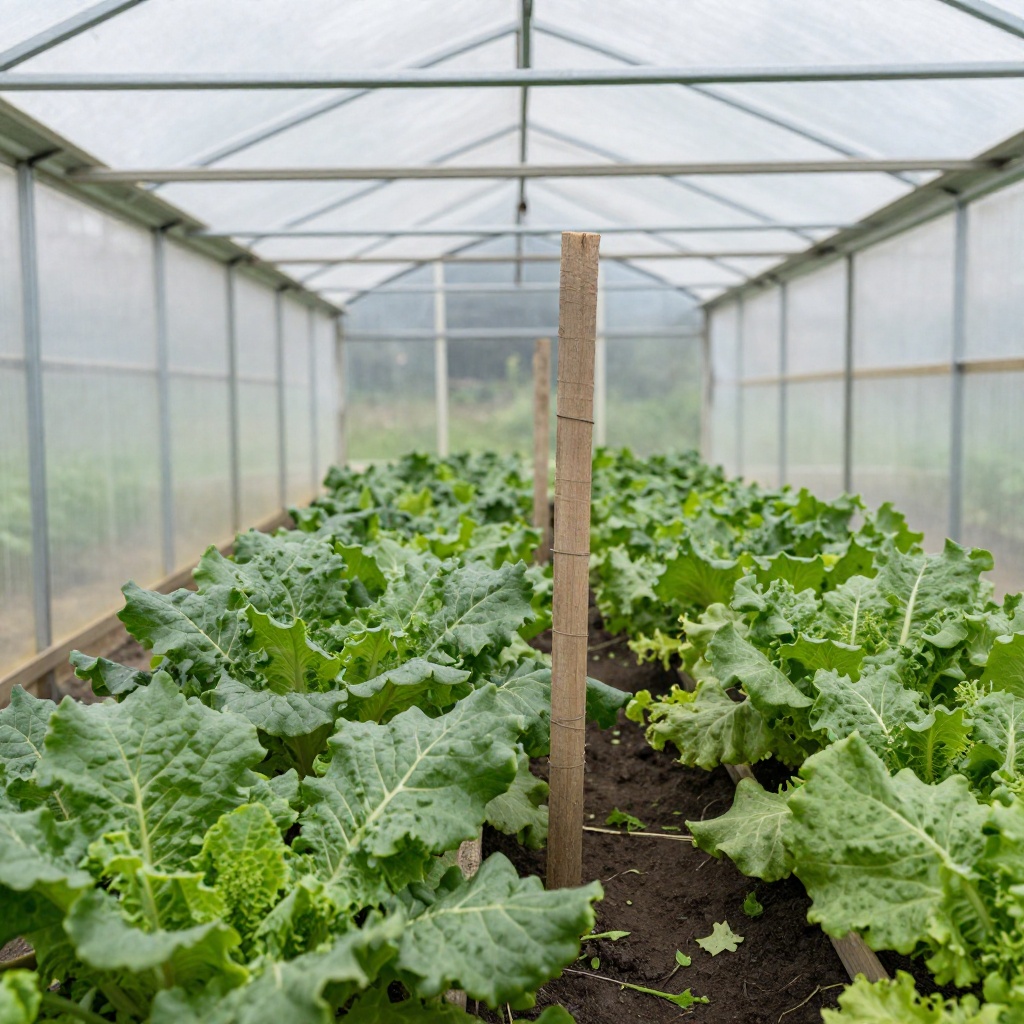
Thermal Dissipation: Maintaining airflow is critical for preventing heat stress in the Highveld summer.
A shade house is also the perfect environment for managing the high-volume water requirements of our deep root bottle irrigation beds. Because the shade cloth breaks the force of the wind and reduces direct evaporation, the water we use lasts significantly longer in the soil. Utilizing pure, chemical-free water sources is critical here to prevent salt buildup in this closed-loop system. This makes the shade house an essential tool for "Drought-Proofing" the Hideout. While it offers little protection against a black frost, it is the superior choice for year-round production of leafy greens, herbs, and brassicas in the Soshanguve heat. It is a low-maintenance, high-impact piece of infrastructure that is arguably more versatile for the Gauteng gardener focused on summer and autumn production.
4. The Decision Matrix: Greenhouse vs. Shade House
The technical decision ultimately depends on your "Crop Goal." If your priority is winter production and seed starting, the greenhouse is your primary tool. If your goal is to survive the punishing summer heat and produce high-quality vegetables from October to March, the shade house is indispensable. In the Evergreen Hideout, we often recommend a "Hybrid Approach" where a shade cloth is used to cover a greenhouse structure during the summer, or a "Nursery Greenhouse" is nestled inside a larger shade house area. This layering of microclimates provides the maximum degree of control over the atmospheric variables that dictate plant success.
Decision-Making Checklist:
- Choose a GREENHOUSE if you need to:
- Start seeds 6-8 weeks before the last frost.
- Grow heat-loving crops (tomatoes, peppers, cucumbers) through winter.
- Overwinter tender herbs or propagate cuttings.
- Dry harvests (like onions or garlic) during rainy spells.
- Choose a SHADE HOUSE if you need to:
- Grow leafy greens and herbs without bolting in summer.
- Protect seedlings from sunscald after transplanting.
- Reduce water consumption by lowering evaporation.
- Grow crops that prefer "cool roots" in hot weather.
Regardless of which structure you choose, the foundation remains the same: the soil. A greenhouse or shade house only manages the "Above-Ground" environment; the "Below-Ground" environment must still be managed through methods that preserve soil aggregation and pore space. This supports the diverse microbiome necessary for nutrient uptake. We complement these structures with regular applications of biological inputs, such as the "Liquid Gold" from your DIY worm farm, to ensure the plants inside have access to immediately available nutrition. By combining structural engineering with biological excellence, we ensure that the Hideout remains a sanctuary of productivity regardless of what the Gauteng weather throws at us, supporting a consistent year-round supply for the household. The structure is the helmet; the soil biology is the brain of the operation.
5. Summary and Your Next Move
Choosing between a greenhouse and a shade house is a strategic step in securing your garden’s future. By understanding the thermodynamic properties of heat retention versus UV filtration, you can select the infrastructure that best matches your seasonal goals. It is a rewarding technical challenge that turns the harsh Gauteng climate from an adversary into a manageable variable. At the Evergreen Hideout, we believe that the right structure is the one that empowers you to grow more food with less effort and fewer resources, proving that with a little engineering, even the toughest climate can be turned into a lush garden of abundance.
The Path Forward:
- Assess Your Primary Need: Is it frost extension or summer sun protection?
- Start Small & Modular: Consider a small, portable greenhouse tunnel or a single shade cloth panel over a key bed before investing in a large permanent structure.
- Plan for Hybridity: Design any greenhouse frame to easily accommodate a shade cloth overlay for summer.
- Budget for Ventilation: Never underestimate the cost and necessity of proper airflow systems.
Are you ready to build your first microclimate structure? I want to know if you are currently leaning toward a winter greenhouse for your tomatoes or a summer shade house for your spinach in Soshanguve. Have you ever tried a hybrid structure before, or are you looking for more advice on how to secure your shade cloth against the heavy Highveld winds? Share your building stories and your technical questions in the comments below. Let us work together to make the Evergreen Hideout the most resilient and productive garden in the community! Your experience with local wind patterns and sun angles is invaluable data for all of us.